 Shop now, pay later in 4 easy installments

A practical guide for magnet makers & everyday printing
Choosing between genuine and compatible ink isn’t always straightforward - especially when you’re using your printer for both everyday printing and creating products like photo magnets.
Having previously worked in the printing industry, I’ve seen a wide range of customer issues from printers not recognising cartridges to inconsistent colours and clogged printheads. And more often than not, the root cause came back to one thing: the type and quality of ink being used.
If you’re using an inkjet or EcoTank printer (especially for photo printing on papers like Koala), here’s a clear, balanced breakdown to help you decide what’s right for you.
Understanding inkjet vs EcoTank printers
There are two main types of printers most people are using:
- Traditional inkjet printers → use replaceable cartridges
- EcoTank printers (like the Epson EcoTank ET-8500) → use refillable ink tanks
EcoTank systems are designed for high-volume, low-cost printing, but they rely heavily on consistent ink quality to keep the internal printhead functioning properly.
What is Genuine ink?
Genuine (OEM) ink is made by your printer’s manufacturer and designed specifically for that printer model.
Advantages
- Consistent, high-quality prints - especially important for photos and magnets
- Reliable performance - minimal compatibility issues
- Better UV resistance - prints tend to fade less over time
- Lower risk of clogging or damage to the printer
- Warranty protection - fully aligned with manufacturer guidelines
Disadvantages
- Higher cost
- Fewer budget or bulk options
From experience, customers who prioritised quality and reliability especially for photo printing were generally happier sticking with genuine ink.
What is Compatible ink?
Compatible (third-party) ink is produced by independent manufacturers and designed to work with branded printers.
This includes:
- Compatible cartridges (for standard inkjet printers)
- Third-party refill inks (for EcoTank systems)
Advantages
- Much more affordable - typically 40–80% cheaper
- Often higher ink volume for the price
- Eco-friendly options - many use recycled materials
- Wide range of suppliers and options
Disadvantages
- Quality can vary significantly between brands
- Risk of:
- Ink leakage
- Poor colour output
- Cartridge recognition issues
- Some printer updates may block third-party cartridges
- Warranty concerns (only if damage is proven to be caused by the ink)
The reality: quality matters more than “Genuine vs Compatible”
One of the biggest takeaways from my time in the printing industry:
- The issue isn’t just “compatible vs genuine”
- It’s high-quality vs low-quality ink
When customers had problems, it was usually because:
- The ink formulation was inconsistent
- The cartridge was poorly made
- The chip wasn’t updated for the printer
High-quality compatible ink can perform very well but low-grade options are where problems start.
Print quality & performance (especially for magnet makers)
If you’re printing on photo paper like Koala:
- Glossy paper (115gsm / 120gsm) → shows vibrancy and detail
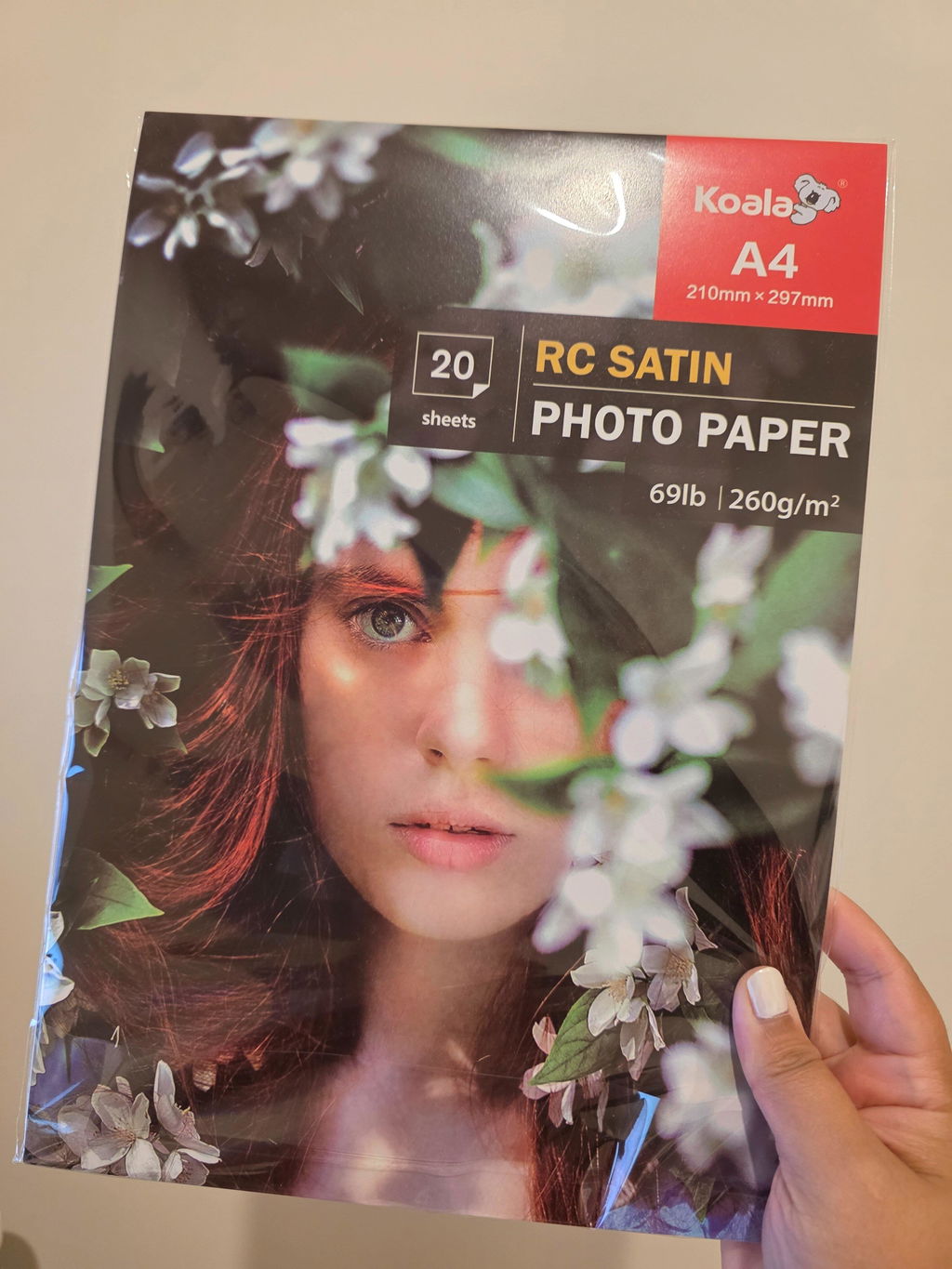
- Satin paper (260gsm resin-coated) → gives a softer, premium finish
These papers will highlight:
- Colour accuracy
- Sharpness
- Ink consistency
What I’ve seen in real use:
With lower-quality ink:
- Colours can appear dull or slightly off
- Ink may not sit evenly on glossy surfaces
- Fine details may look less sharp
With high-quality (especially genuine) ink:
- Cleaner, sharper results
- More consistent output across batches
- Better long-term durability
The EcoTank risk factor
If you’re using an EcoTank printer like the Epson EcoTank ET-8500, this is where ink choice becomes more important.
Unlike cartridge printers:
- The printhead is built into the machine
- It’s not easily replaceable
This means:
- Poor-quality ink can lead to clogging or long-term damage
- Repairs can be expensive, sometimes more than the printer itself
From experience, many printhead issues were linked to:
- Low-quality refill ink
- Mixing different ink types
- Inconsistent ink formulations
Ink composition & drying differences
Another point often overlooked:
- Many compatible inks are water-based
- Some genuine inks are more refined/pigment-balanced
In practice:
- Water-based inks can dry quickly (useful for documents)
- But may be less resistant to UV exposure over time
- Genuine inks tend to hold colour longer, especially in sunlight
For most magnet makers, this only becomes noticeable if magnets are exposed to light regularly (like on fridges near windows).
Firmware & compatibility issues
For cartridge-based printers:
- Brands like HP, Epson, and Brother may release updates that:
- Block third-party cartridges
- Trigger “not recognised” errors
For EcoTank printers:
- Firmware is less of an issue
- Ink formulation and quality matter more instead
Do Compatible cartridges damage printers?
In most cases, no.
High-quality compatible ink is generally safe.
Problems usually occur when:
- The ink is low quality
- The cartridge is poorly manufactured
In those cases, issues like clogging, leaks, or recognition errors can occur.
What to look for when buying Compatible ink
If you’re going the compatible route, supplier quality is everything.
Look for:
- Strong reviews and reputation
- Clear guarantees or return policies
- Local or established sellers
- Updated chips (for cartridge printers)
- Transparency (contact details, support, etc.)
A practical approach (what I recommend)
Based on both industry experience and running a business in this space:
For magnet makers & businesses:
Use Genuine ink for:
- Final products
- Customer orders
- Photo-heavy prints
Use Compatible ink for:
- Test prints
- Drafts
- Practice runs
This gives you:
- Cost savings
- Without compromising your final product quality
Final thoughts
The conversation around genuine vs compatible ink has evolved a lot.
Compatible ink has improved significantly but quality still varies widely.
From what I’ve seen:
- Most printer issues aren’t random
- They’re usually linked back to the ink being used
If you’re using an inkjet or EcoTank printer, especially for magnet making, it’s worth thinking beyond just price.
Because in the end, your print quality reflects your work, and your work reflects your brand.
Related Articles:
-
7 reasons your photo prints look dull (and how to fix them)
-
Why your printer looks fine on nozzle check but prints wrong